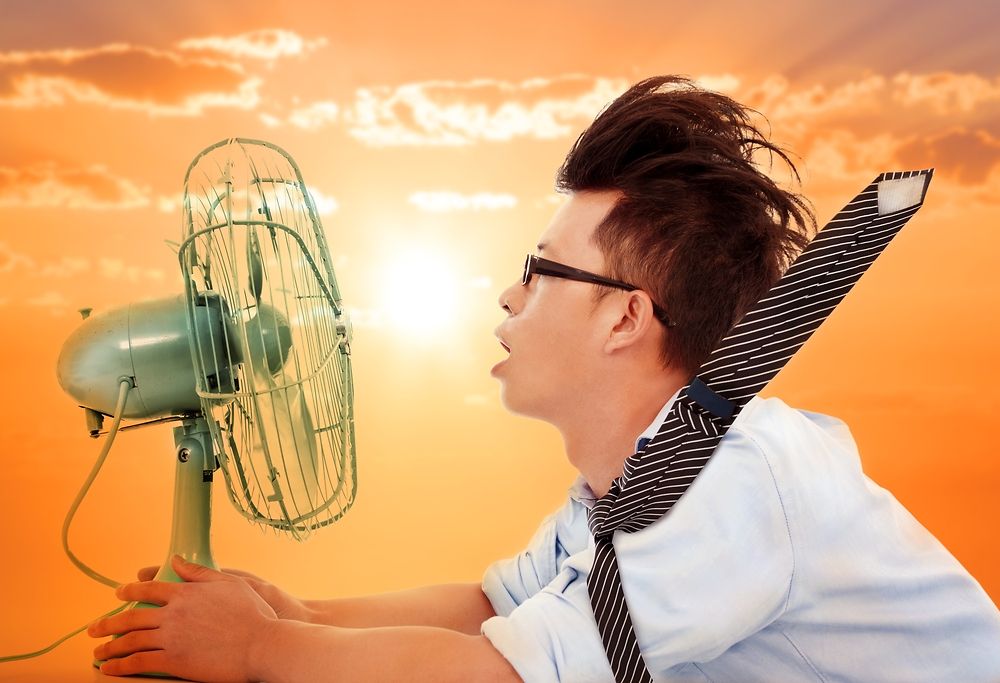
Summer 2026: Dominik Jung Warns Germany of Its Wildest Season Yet
Germany is bracing for what could be its most volatile summer in recent memory, according to the stark warnings issued by renowned meteorologist Dominik Jung. As a Diplom-Meteorologe for wetter.net and a respected weather expert for IPPEN.MEDIA, Jung's insights are closely followed across the nation. His latest prognoses for Summer 2026 paint a picture of extremes, from record-breaking heatwaves and unprecedented heavy rainfall to an early and "brutal" thunderstorm season, and even an elevated risk of tornadoes. This isn't just another forecast; it's a call to prepare for a season that promises to challenge resilience and redefine our understanding of typical summer weather.
Dominik Jung's warnings aren't just sensational; they are rooted in advanced weather models and a deep understanding of atmospheric dynamics. His analysis points to a significant departure from historical norms, suggesting that Germany is heading towards a period where calm, predictable weather might become a rarity. The implications are far-reaching, affecting everything from daily commutes and outdoor activities to agriculture, infrastructure, and public health. Understanding these predictions and taking proactive steps will be crucial for navigating the challenging months ahead.
The Unsettling Outlook: Early Thunderstorms, Intense Heat, and Flooding Risks
The core of Dominik Jung's forecast for Summer 2026 revolves around a series of interconnected, extreme weather phenomena set to define the season. One of the most alarming predictions is the prospect of a thunderstorm season commencing "earlier than ever before." Jung specifically highlights that one month, yet to be definitively identified, could prove "particularly brutal." This suggests not just an early start, but an intensity and frequency of storms that could far surpass previous records. Early thunderstorms often imply more dynamic atmospheric conditions, capable of generating severe weather such as large hail, damaging winds, and even supercell structures that pose significant risks.
Complementing the heightened storm activity, Germany is also expected to grapple with intense heatwaves. While specific temperature figures for the entire summer are still evolving, the broader context provided by Jung – such as the Mediterranean becoming a "Belastungsprobe" for tourists with daytime temperatures exceeding 40 degrees Celsius and nights barely dropping below 28 degrees – indicates a widespread trend towards sustained and extreme heat. For Germany, this translates into multiple consecutive days of soaring temperatures, putting immense strain on both human health and infrastructure. The reference context’s mention of "Wärmster Tag des Jahres steht bevor: Bis zu 26 Grad möglich – danach bricht alles zusammen" might refer to an earlier spring event, but it underscores the rapid shifts and potential for dramatic weather changes that could punctuate the summer months.
Furthermore, the summer’s intense heat is intrinsically linked to the increased risk of "Starkregen" (heavy rainfall) and "Jahrhundertfluten" (century floods). Warmer air holds more moisture, and when intense heat gives way to convective storms, the resultant downpours can be exceptionally heavy and localized. This scenario significantly heightens the risk of flash flooding, even in areas not typically prone to it. Rivers and drainage systems can be overwhelmed in short periods, leading to widespread disruption and damage. Dominik Jung's stark assessment, "Die Wetter-Wahrheit für Deutschland ist unangenehm," reflects the difficult reality that Germany must confront. For a deeper dive into these specific threats, refer to our article on
Germany's Extreme Weather Reality: Dominik Jung on Heatwaves & Floods.
Adding to this complex picture is the heightened "Tornado-Saison 2026." While Germany might not be in the heart of "tornado alley," atmospheric conditions conducive to tornado formation appear to be increasing. Jung's data indicates a significant threat, with "drei Regionen im Fokus." This is a serious development, as tornadoes, though often localized, can cause catastrophic damage in their path. The unusual combination of early storms, intense heat, and torrential rain points to a period of unprecedented atmospheric instability.
Beyond the Forecast: Understanding the Underlying Phenomena
Dominik Jung's warnings are not isolated predictions but are part of a larger pattern of evolving global weather. Several key phenomena contribute to the projected "wildest season":
*
Saharastaub (Saharan Dust): Jung has frequently highlighted the increasing presence of Saharan dust over Germany, leading to "Blutregen" and coating cars. This isn't just a nuisance; it's an indicator of broader atmospheric circulation patterns. Increased Saharan dust often signifies stronger southerly winds carrying warm, dry air from North Africa, influencing European weather patterns. These dust events can impact air quality and even affect cloud formation, further complicating weather dynamics. For practical tips on how to protect your vehicle, check out
Dominik Jung: Saharan Dust in Germany – Protect Your Car Guide.
*
Global Extreme Weather Indicators: While "Super-Taifun Sinlaku" may not directly impact Germany, Jung uses such events to illustrate a global trend. The early formation of a Category-5 monster typhoon indicates a more energetic and volatile global climate system. Such intense global phenomena can influence atmospheric teleconnections, indirectly affecting weather patterns across distant regions, including Europe. This points to a worldwide acceleration of extreme weather events, making localized forecasts like those for Germany increasingly complex and severe.
*
Rapid Weather Shifts: The reference "Vom Sommertag zum Herbsteinbruch: Wetter in Deutschland stellt jetzt alles auf den Kopf" highlights the increased frequency of dramatic weather changes. These sudden shifts, from warm, sunny days to cold, rainy conditions, are indicative of unstable air masses and powerful frontal systems moving rapidly across the continent. Such volatility makes long-range planning difficult and increases the risk of being caught unprepared by sudden weather deteriorations. Dominik Jung's consistent monitoring of "Wetterkarten leuchten knallrot" is a stark visual representation of these underlying climatic shifts and their potential impact.
Preparing for the Wild Summer: Practical Advice from Dominik Jung Wetter Insights
Given Dominik Jung's serious forecast, proactive preparation is not merely advisable but essential. Both individuals and communities must adapt to the coming challenges of Summer 2026.
*
Stay Informed: Regularly check reliable weather forecasts from sources like wetter.net and the German Weather Service (DWD). Pay close attention to severe weather warnings, heat advisories, and flood alerts. Subscribe to local warning systems.
*
Heatwave Preparedness:
*
Hydration: Drink plenty of water, even if you don't feel thirsty.
*
Cooling: Seek shade, use fans or air conditioning if available, and consider cool showers.
*
Vulnerable Groups: Check on elderly neighbours, children, and pets, ensuring they are protected from heat stress. Avoid strenuous outdoor activities during the hottest parts of the day.
*
Thunderstorm and Flood Readiness:
*
Secure Property: Before storms hit, secure loose items outdoors (garden furniture, trampolines, bins) that could become projectiles in strong winds.
*
Emergency Kit: Prepare a kit with essentials like water, non-perishable food, flashlights, a first-aid kit, and important documents.
*
Driving Safety: Avoid driving through flooded roads; even shallow water can be dangerous. Be aware of increased risks of hydroplaning during heavy rain.
*
Home Protection: Ensure gutters and drains are clear to cope with heavy rainfall. If living in a flood-prone area, consider sandbags or other preventative measures.
*
Tornado Awareness:
*
Know Your Shelter: Identify a safe place in your home, preferably a basement, storm cellar, or an interior room on the lowest floor away from windows.
*
Stay Alert: Be aware of changing weather conditions and unusual cloud formations, especially during severe thunderstorms.
*
Saharan Dust Protection: Follow advice on protecting vehicles and property from the abrasive and stubborn dust. Regular washing and protective coatings can help mitigate damage.
Local authorities and emergency services also play a crucial role. Investing in robust early warning systems, reviewing urban drainage capacities, and establishing community-level heat action plans will be vital. The collective efforts of individuals and institutions will determine how effectively Germany navigates its "wildest season."
Conclusion: A Summer of Unprecedented Challenges Demands Unprecedented Preparedness
Dominik Jung's Summer 2026 forecast for Germany is a powerful reminder of the changing climate and the increasing frequency and intensity of extreme weather events. From an early and "brutal" thunderstorm season and relentless heatwaves to dangerous heavy rains and an elevated tornado risk, the coming months promise significant challenges. The insights provided by Dominik Jung Wetter analysis underscore the urgency for comprehensive preparedness. By staying informed, understanding the underlying meteorological phenomena, and implementing practical advice, individuals and communities can bolster their resilience against the unpredictable forces of nature. Summer 2026 will undoubtedly test Germany's adaptability, but with vigilance and readiness, the nation can hope to mitigate the impacts of this wild season.